Short of Supply, Skyrocketing Prices: Historical Freight Rates and Inflation in 2021
Analysis of how COVID-19 has impacted global supply chains, causing shortages, price increases, and unprecedented freight rates.
2021 brought epic changes to how we operate our businesses. Traditional forecasting models failed, and prices increased across all sectors. Let’s examine how we got here and what it means for the future.
How Did We Get Here?
When the pandemic began, most businesses expected reduced demand and lower sales. They responded by:
- Canceling new production
- Reducing inventory levels
- Taking a conservative approach due to uncertainty
However, the pandemic reshaped consumer behavior in unexpected ways:
- Increased time at home drove up demand for PCs, laptops, and displays
- Preference for private transportation boosted car demand
- Home cooking led to increased housewares purchases
This demand surge caught manufacturers off guard, particularly in Asia’s chip production hub. Read more about the chip shortage here.
What’s in Short Supply?
1. Automotive Sector
- New car production limited by chip shortage
- Used car prices reached historic highs
- Market data shows unprecedented price increases since September 2020
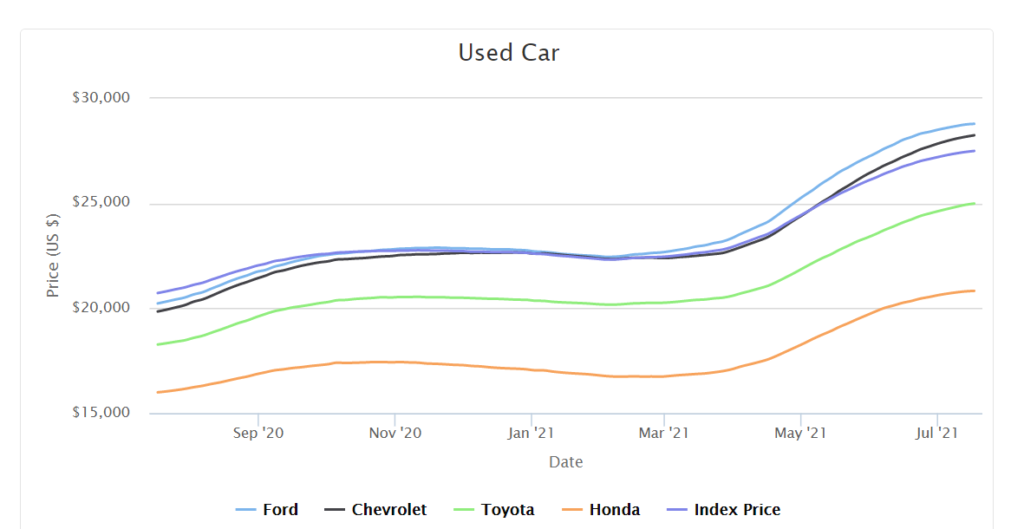 Source: CarGurus Price Trends
2. Computer Hardware
The PC market faces multiple pressures:
- Component shortages
- Strong demand from remote work/learning
- Increased logistics costs
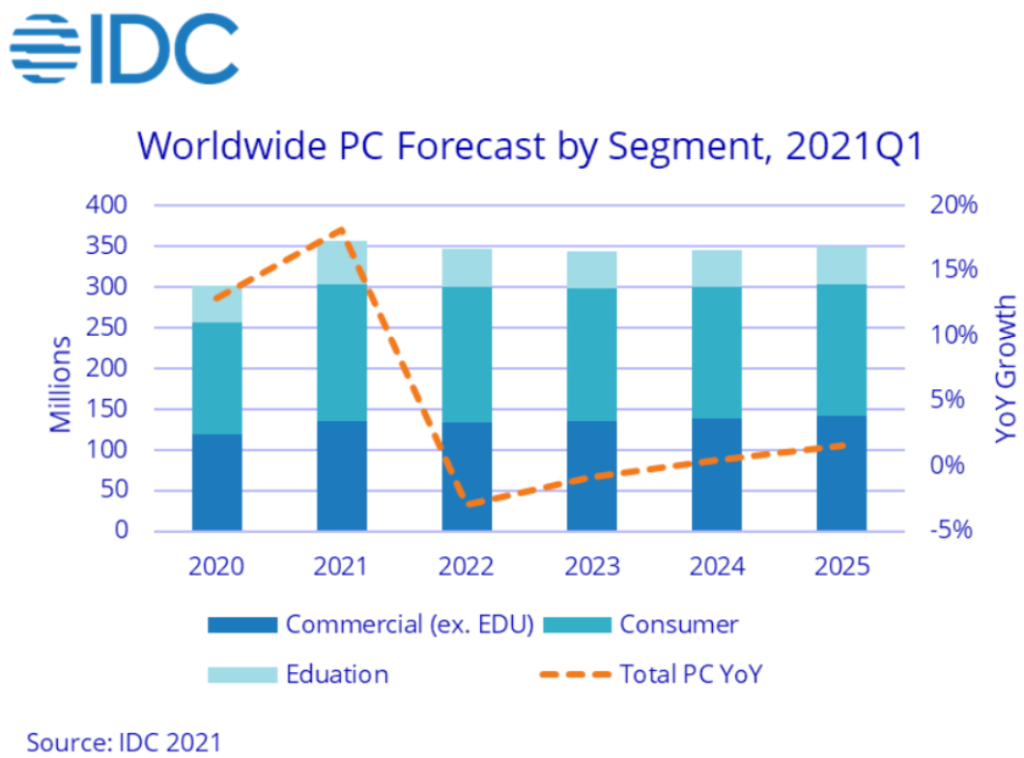
Major manufacturers like HP, Dell Technologies, and Lenovo have warned of price increases throughout 2021 due to:
- Higher component costs
- Increased logistics expenses
- Sustained strong demand
Beyond Product Costs
Logistics Crisis
The pandemic dramatically impacted shipping:
- Changed shopping patterns favoring online orders
- Overwhelmed logistics capacity
- Staff shortages due to COVID-19
- Dramatic increases in air freight rates
- Inventory restocking pressure
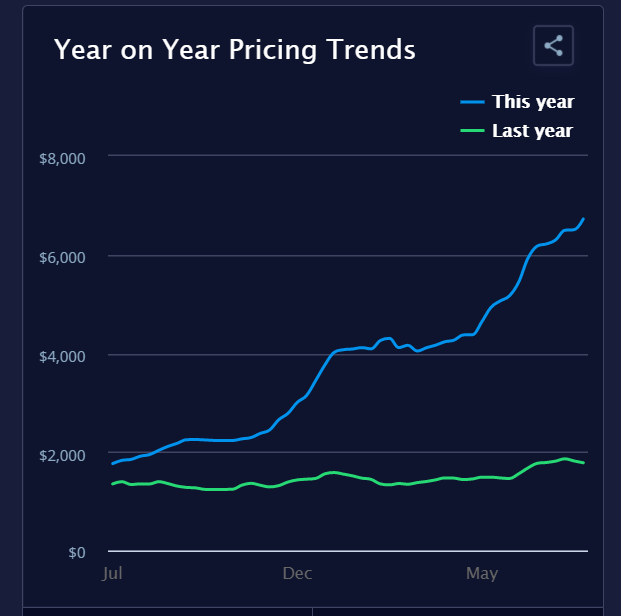 Source: Freightos Baltic Index
The freight rate index in 2021 shows prices tripling compared to 2020. In many cases, shipping costs now exceed product costs, creating a challenging situation for both suppliers and customers.
What Went Wrong?
Traditional ‘Lean Operation’ principles failed during the crisis. These approaches typically emphasize:
- Cost control
- Waste minimization
- Limited product SKUs
- Fixed supply chains
While efficient in normal times, these systems weren’t designed to handle major disruptions like COVID-19.
Post-Pandemic Supply Chain Changes
1. Inventory Management
- Strengthen inventory controls
- Maintain adequate safety stock
- Implement better forecasting systems
2. Supply Chain Diversification
- Reduce dependence on single regions
- Develop multiple supplier relationships
- Balance cost efficiency with risk management
3. Operational Model Updates
- Incorporate Work From Home (WFH) capabilities
- Improve digital infrastructure
- Balance remote and office work
4. Local Partnerships
- Develop relationships with local agents
- Utilize outsourcing services
- Enhance risk management through local expertise
Looking Forward
The global business environment will continue to demonstrate butterfly effect characteristics - small changes in one region can cause major impacts worldwide. Success in this environment requires:
- Robust inventory management
- Diversified supply chains
- Flexible operations
- Strong local partnerships
For businesses looking to navigate these challenges in the Taiwan market, Ask Taiwan provides comprehensive support in supplier sourcing, logistics management, and local partnerships.
References