Shortage in ICs? How did it happen?
An analysis of the 2020-2021 global semiconductor shortage, its causes, impacts, and implications for Taiwan's role in the industry.
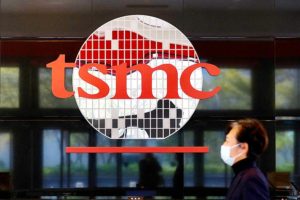
Starting from 2020, the world began experiencing a severe shortage in Integrated Circuits (ICs), the crucial components that power the semiconductor industry. What started as a rumor quickly became a global crisis affecting multiple industries.
What is the Semiconductor Industry?
The semiconductor industry consists of three main components:
- IC Design (integrated circuit design)
- Foundry (manufacturing)
- Wafer Testing
When COVID-19 paralyzed the global economy in 2020, it disrupted semiconductor manufacturing capabilities worldwide. As lockdowns forced people to stay home, reliance on electronics intensified, driving up demand for ICs. The market needed more laptops, TVs, and other electronic devices than ever before.
The world’s biggest chip manufacturers - TSMC, Intel, and Samsung - all faced unprecedented challenges with delayed IC supply chains and unexpected demand increases.
Understanding the Shortage
Several factors contributed to the semiconductor shortage:
1. Post-Pandemic Surge
After the first wave of the pandemic, demand for ICs skyrocketed as the economy began to recover. Simultaneously, market concerns about future COVID-19 disruptions led to preventive ordering, flooding manufacturers with orders despite already-long lead times.
2. Growing Dependence on Technology
As we entered the 21st century, ICs became essential to daily life:
- Microwaves for quick food preparation
- Air filters for clean air
- Mobile phones for communication
- Smart devices for home automation Every device requires ICs to function, making them indispensable in modern life.
3. Limited Manufacturing Capability
Despite growing demand, the industry has relatively few manufacturers capable of producing advanced chips. The situation worsened in December 2020 when SMIC (China’s leading foundry) was added to the US Entity List, preventing them from:
- Using American-developed technologies
- Purchasing equipment from ASML, the world’s largest semiconductor equipment supplier This effectively removed a major player from the global supply chain.
Impact on Markets
For Consumers
- Slight price increases in daily electronics
- Rising commodity prices
- Initial impact mainly affecting supplier profit margins
- Major brands like ASUS and Acer announcing price increases
For Businesses
- Expected shortage duration of 1-2 years
- Supply chain disruptions
- Need to prioritize between different sectors:
- 5G infrastructure
- Mobile phones
- Automotive industry
- Consumer electronics
Taiwan’s Critical Role
Taiwan has become the epicenter of global semiconductor manufacturing for several reasons:
1. Manufacturing Hub
The majority of electronic ICs are manufactured in Asia by:
- TSMC (Taiwan)
- Samsung (Korea)
- Global Foundries (US)
TSMC and Global Foundries are pure-play foundries, focusing solely on manufacturing chips for clients.
2. Complete Supply Chain
Taiwan has developed the world’s most advanced and complete semiconductor supply chain, centered in Hsinchu. Since 1976, with government support through ITRI (Industrial Technology Research Institute), Taiwan has built a comprehensive ecosystem:
- TSMC and UMC are the world’s two largest contract chipmakers
- MediaTek is the fourth-largest fabless semiconductor company globally
- Hundreds of specialized companies across the supply chain
3. Strategic Importance
Taiwan’s semiconductor industry represents:
- A critical link in global technology supply chains
- A cornerstone of modern technological advancement
- A strategic asset in international relations
Looking Forward
The semiconductor shortage reveals both the critical nature of IC manufacturing and its limited global capacity. As technology continues to advance, our dependence on ICs will only increase. Key questions remain:
- How will the industry address the growing demand-supply gap?
- Can manufacturing capacity be expanded quickly enough?
- What role will geopolitics play in future semiconductor production?
The answers to these questions will shape not only Taiwan’s future but the global technology landscape.
References