Case Study: Chemical Sourcing from Taiwan
How Ask Taiwan navigated Taiwan's petrochemical industry to source specialty chemicals, highlighting industry trends and challenges.
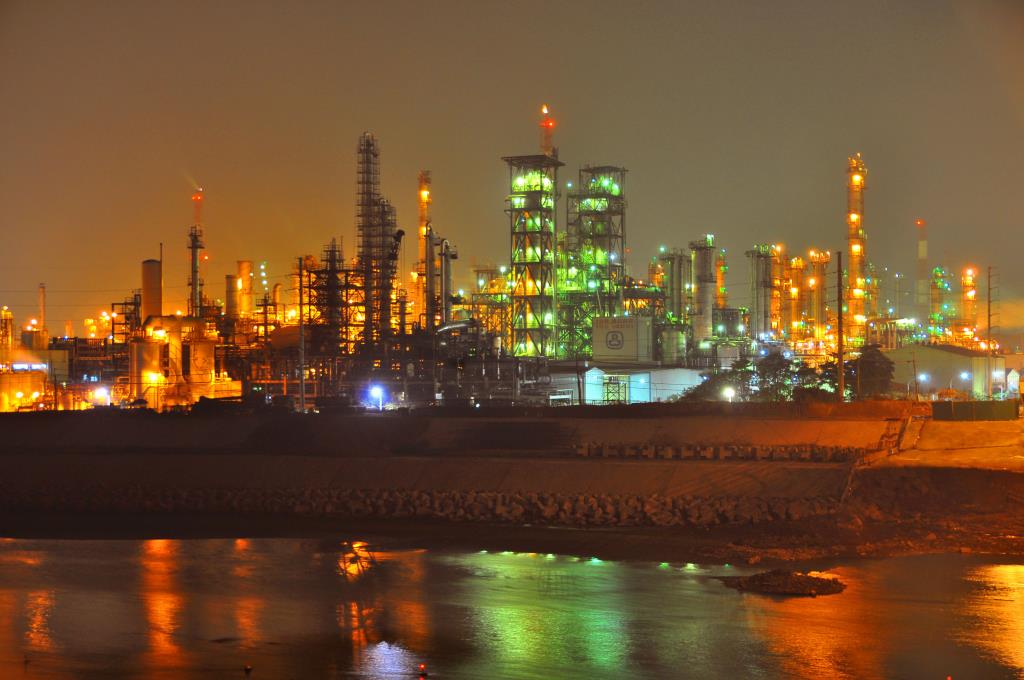 Linyuan Petrochemical Complex, Linyuan district office
We recently completed a chemical sourcing project from Taiwan, following up on our earlier analysis of RCEP’s impact on Taiwan’s business landscape. This project involved sourcing three specific chemicals - BOPP, DOTP, and Phthalic Anhydride - from two different suppliers.
Understanding Taiwan’s Chemical Industry
Types of Chemicals
- Commodity Chemicals
- Fine Chemicals
- Specialty Chemicals
Industry Structure
The petrochemical industry is divided into three segments:
-
Upstream
- Crude oil
- Gasoline
- Diesel
- Lubricating oil
- Drilling equipment
-
Midstream
- Basic petrochemical raw materials
- Products from cracking:
- Ethylene
- Propylene
- Butadiene
- Benzene
- Phenol
-
Downstream
- Processed products:
- Plastic products
- Rubber products
- Detergents
- Artificial fibers
- Paint
- Adhesives
- Plasticizers
- Pesticides
- Cosmetics
- Processed products:
Taiwan’s Petrochemical Evolution
Historical Development
- 1957: Formosa Plastics Group (FPG) established first plant in Kaohsiung
- Initial focus on PVC production
- Developed from downstream to upstream capabilities
- FPG became world’s 6th largest chemicals producer
- 110,000+ employees
- US$77.5 billion annual sales
Current Capacity
- 5 naphtha crackers
- Total ethylene capacity: 4.0 million mt per annum
- Key operators:
- CPC: 2 crackers in Linyuan (1.0 million mt)
- Formosa: 3 crackers in Mailiao (3.9 million mt)
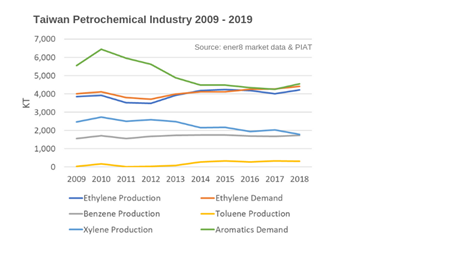
Industry Transformation
Environmental Challenges
- Increasing environmental concerns
- Public protests against new facilities
- Population density concerns
- Shift away from highly polluting operations
Strategic Pivot
Taiwan’s petrochemical industry is transitioning to:
- High-tech specialty chemicals
- Performance chemicals
- Value-added products
Project Details: Sourcing Three Key Chemicals
1. DOTP (Dioctyl terephthalate)
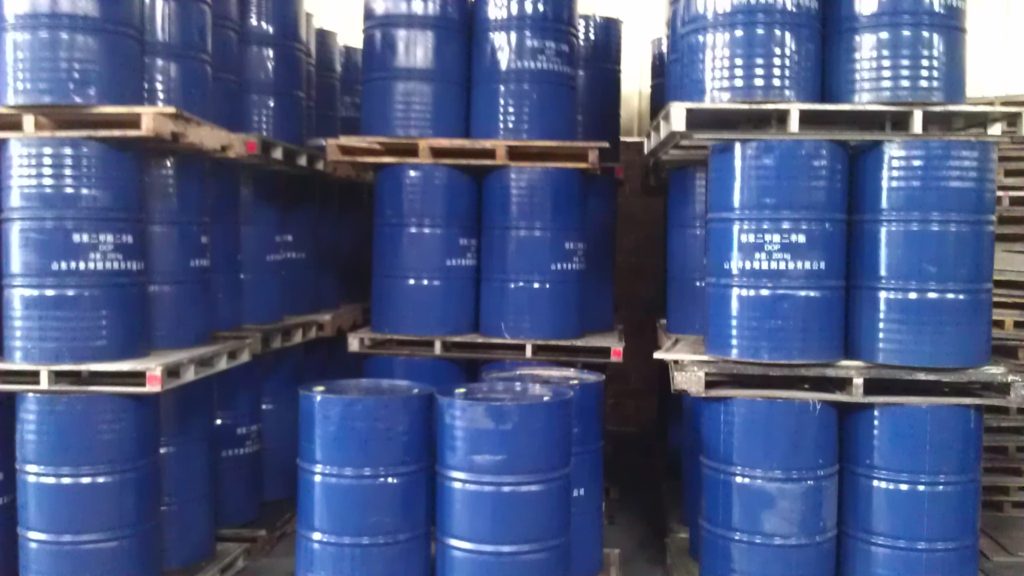
- Properties:
- Excellent plasticizer
- Superior electrical properties
- High thermal stability
- Applications:
- Cable insulation
- Electronics manufacturing
- High demand due to pandemic-driven electronics boom
2. BOPP (Biaxially oriented polypropylene)
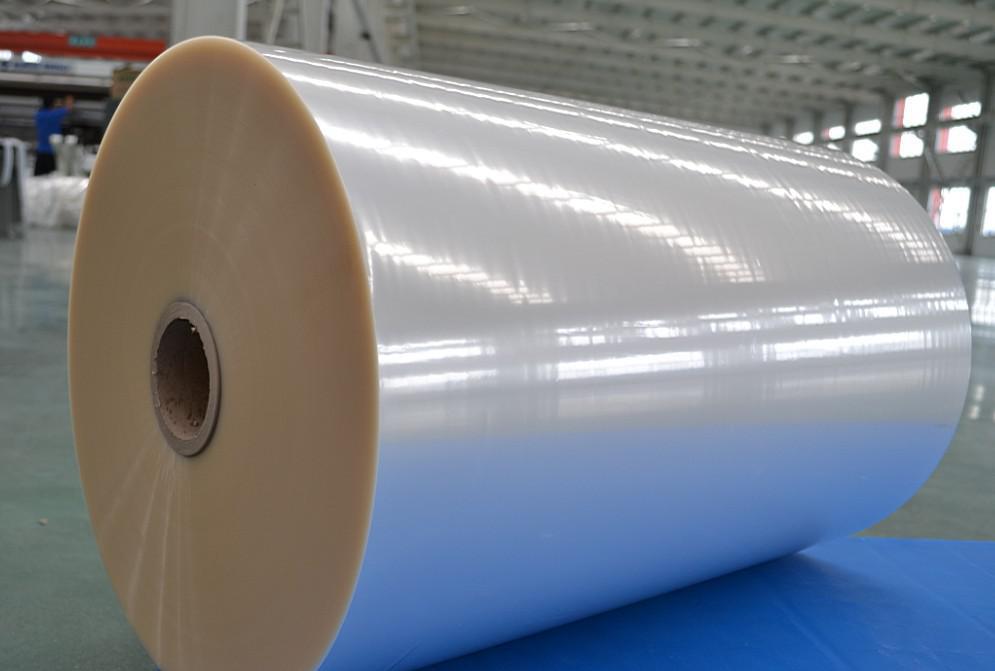
- Manufacturing:
- Derived from Polypropylene (PP)
- Two production methods:
- Tenter process
- Tubular process
- Applications:
- Food packaging
- Labels and stickers
- Water-resistant printing
3. PA (Phthalic Anhydride)
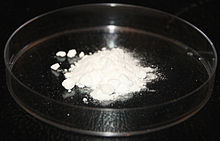
- Key industrial chemical
- Global production: ~3 million tons annually
- Uses:
- Plasticizer production
- Dye manufacturing
- Pharmaceutical industry
Project Challenges
1. Technical Knowledge
- Required thorough research
- Industry-specific terminology
- Complex product specifications
2. Corporate Navigation
- Large organizational structures
- Multiple departments
- Finding right decision-makers
3. Logistics Issues
- High sea freight rates
- Container shortages
- Price competition with Korean suppliers
Key Learnings
-
Industry Interconnections
- Similar patterns across sectors
- Transferable experience
- Network value
-
Relationship Building
- Supplier cooperation
- Patient client communication
- Long-term partnerships
-
Market Evolution
- Environmental considerations
- Technology shifts
- Value-added focus
Looking Forward
Taiwan’s chemical industry continues to evolve, focusing on:
- Specialty chemicals
- High-tech applications
- Sustainable practices
- Value-added products
References