Case Study: Factory Audit of a Taiwanese Automotive Manufacturer
A detailed look at conducting factory audits in Taiwan's automotive sector, focusing on quality control, safety standards, and manufacturing processes.
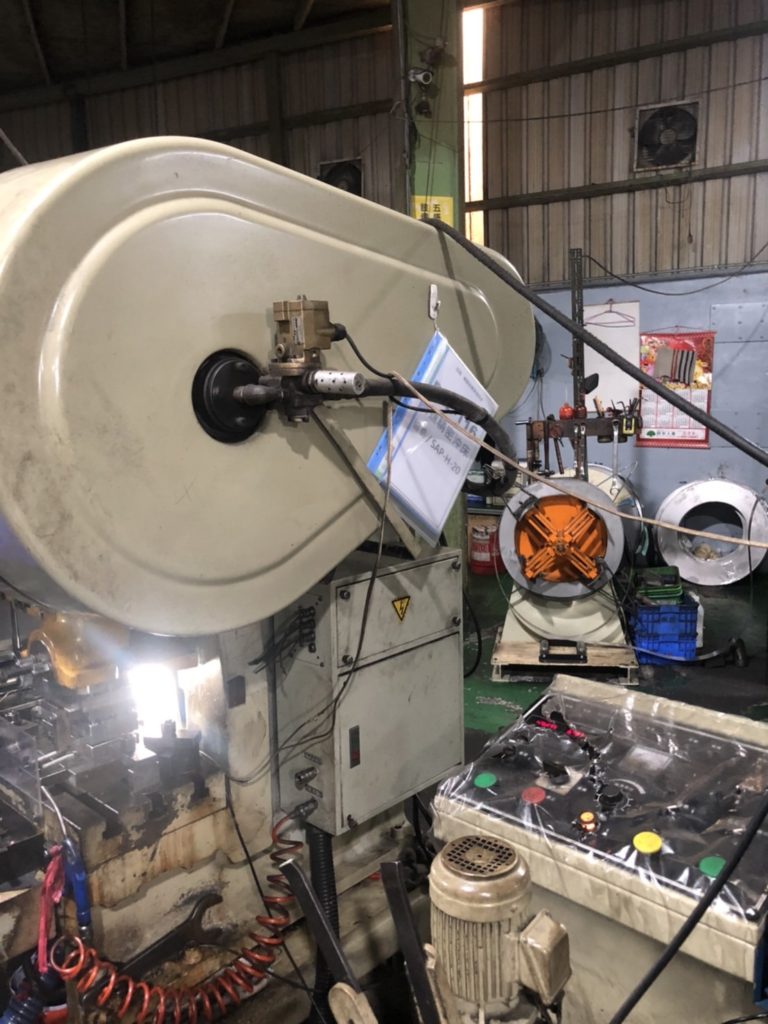 Factory audit inspection during active production
We recently completed a factory audit inspection for a European automotive client. The supplier, a key player in Taiwan’s automotive industry, specializes in fasteners - specifically washers, nuts, pins, and customized stamped parts.
Taiwan’s Automotive Export Profile
Taiwan’s auto parts sector demonstrates strong export performance:
- Over 80% of manufacturers export overseas
- Primary markets include US, Japan, China, and UK
- Growing European presence with nearly 30% of total exports (2017)
- Significant supplier for Italian automotive industry
Factory Audit Overview
Purpose and Scope
A factory audit inspection serves multiple objectives:
- Verify supplier authenticity and capabilities
- Assess manufacturing processes and quality control
- Evaluate facility conditions and safety standards
- Document compliance with industry requirements
Client Context
Our European client required this audit because:
- They were evaluating a new supplier relationship
- End customer (major car manufacturer) required verification
- Recent supply chain delays raised concerns
- Raw material supply needed verification
Audit Process and Methodology
1. Pre-Audit Planning
- Developed comprehensive checklist
- Maintained confidentiality until inspection
- Coordinated with facility management
- Prepared documentation requirements
2. Key Assessment Areas
Background Verification
- Company history and registration
- Manufacturing capabilities
- Client references
- Financial stability
Facility Assessment
- Cleanliness and organization
- Storage conditions
- Environmental controls
- Maintenance standards
Workflow Analysis
- Process efficiency
- Quality control points
- Material handling
- Production scheduling
Manufacturing Evaluation
- Equipment maintenance records
- Production procedures
- Quality checkpoints
- Process documentation
Safety Standards
- Personal protective equipment usage
- Safety procedure implementation
- Emergency protocols
- Worker training programs
Key Findings and Insights
1. Communication Value
Face-to-face interaction proved invaluable for:
- Building trust and understanding
- Clarifying technical requirements
- Addressing concerns directly
- Cultural bridge-building
2. Information Depth
On-site inspection revealed:
- Detailed operational insights
- Informal knowledge sharing
- Challenge identification
- Real-time problem-solving opportunities
3. Third-Party Advantage
Our role as an independent auditor provided:
- Neutral perspective
- Language barrier elimination
- Cultural understanding
- Open communication channel
Lessons Learned
1. Relationship Building
- Personal interaction builds trust
- Cultural understanding is crucial
- Direct communication resolves issues faster
- Long-term partnerships require transparency
2. Information Flow
- Local representatives get more detailed information
- Language and cultural factors affect disclosure
- Neutral third parties facilitate better communication
- Regular audits maintain relationship quality
3. Quality Assurance
- Regular audits prevent quality issues
- Documentation supports improvement
- Worker safety correlates with product quality
- Process monitoring identifies potential problems
Recommendations
For Manufacturers
-
Documentation
- Maintain detailed records
- Document procedures clearly
- Keep safety protocols updated
- Track maintenance schedules
-
Communication
- Be transparent about challenges
- Provide regular updates
- Welcome third-party audits
- Document improvement plans
For Buyers
-
Regular Audits
- Schedule periodic inspections
- Use third-party auditors
- Document findings thoroughly
- Follow up on recommendations
-
Relationship Building
- Invest in direct communication
- Understand cultural context
- Build long-term partnerships
- Share improvement goals
Conclusion
Factory audits are essential tools for:
- Building trust between parties
- Ensuring quality standards
- Maintaining safety protocols
- Supporting long-term partnerships
The process benefits both buyers and suppliers by creating transparency, identifying improvements, and building stronger business relationships.
Reference Taiwan Auto Parts Industry Overview