Case Study: Motorcycle Parts Sourcing from Taiwan
How Taiwan established itself as a global motorcycle parts hub, and insights from a successful absorber sourcing project.
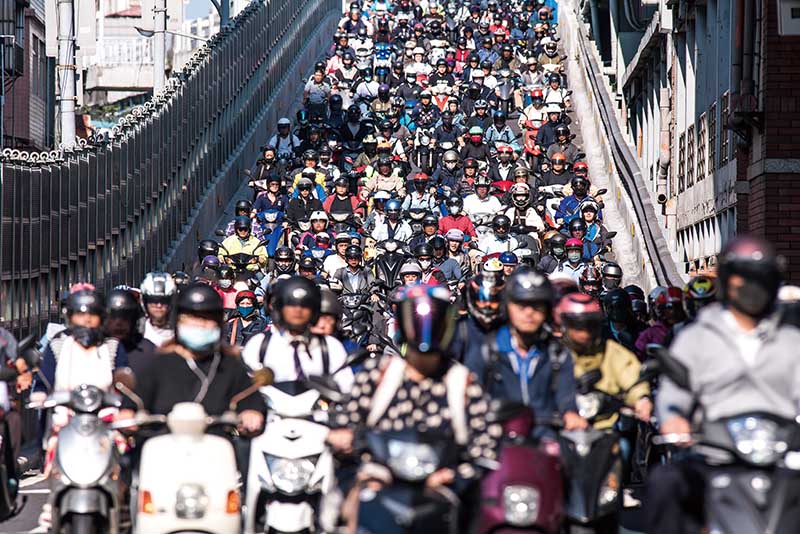 Taipei morning rush hour shows Taiwan’s motorcycle culture in action
Taiwan has established itself as a manufacturing powerhouse for motorcycles and bikes, with companies like KYMCO, Sanyang, and YAMAHA leading the way. This case study examines a recent motorcycle absorber sourcing project and explores the broader industry context.
Taiwan’s Motorcycle Industry Foundation
Historical Development
- Started as Japanese manufacturing partner in 1960s
- Initially produced for Honda
- Government support for industry development
- Evolution to own brands
Cluster Industry Advantage
- Tight network of parts suppliers
- Specialized component manufacturing
- Strong SME cooperation
- Government protection fostering growth
Market Overview
Global Market Size
- Asia-Pacific: 41% market share
- North America: 20% market share
- Global market value (2019): $78.4 billion
- Projected growth to $97.4 billion by 2023
Taiwan’s Export Performance
- 2020 production: NT$132.4 billion (US$4.72 billion)
- Annual growth rate: 5.2% since 2012
- Key export markets:
- Netherlands: US$480 million (29.8% growth)
- United States: US$400 million (20.7% growth)
Project Case Study: Absorber Sourcing
Context
Our client sought to:
- Source specific motorcycle absorber models
- Establish APAC region distributorship
- Partner with leading Taiwanese brands
Market Dynamics
Recent market changes include:
- Increased personal transportation demand
- Supply chain disruptions
- Regional market recovery
- Post-pandemic opportunities
Negotiation Challenges
1. Exclusive Distribution Rights
Issues:
- Regional exclusivity risks
- Market control concerns
- Brand growth limitations
- Sales channel management
2. Sales Commitments
Challenges:
- Annual sales targets
- Investment requirements
- Market performance guarantees
- Risk management
Solution Development
1. Compromise Strategy
- Reduced annual sales targets
- Phased commitment approach
- Initial order agreements
- Market protection provisions
2. Partnership Framework
- Supplier confidence building
- Market resource sharing
- Dominance protection
- Growth incentives
Future Market Opportunities
Electric Vehicle Transition
- E-scooter market growth: 59% annually (2012-2019)
- 2019 market peak: NT$12.2 billion
- 2020 adjustment: NT$6.7 billion
- Growth factors:
- Environmental awareness
- Government policies
- Technology advancement
- Market demand
Industry Evolution
-
Traditional Segment
- Gas-powered vehicles
- Spare parts
- Accessories
- Service components
-
Emerging Markets
- E-bikes
- E-scooters
- Smart mobility
- Green technology
Key Learnings
1. Negotiation Process
- Patient relationship building
- Mutual benefit identification
- Clear communication
- Flexible approach
2. Market Understanding
- Regional demand patterns
- Supply chain dynamics
- Competitive landscape
- Future trends
3. Partnership Development
- Trust building
- Resource sharing
- Growth planning
- Risk management
Looking Forward
The motorcycle parts industry in Taiwan continues to evolve, with opportunities in:
- Electric vehicle components
- Smart mobility solutions
- Sustainable transportation
- Global market expansion
Success in this sector requires:
- Strong partnerships
- Market understanding
- Technical expertise
- Strategic planning
References